
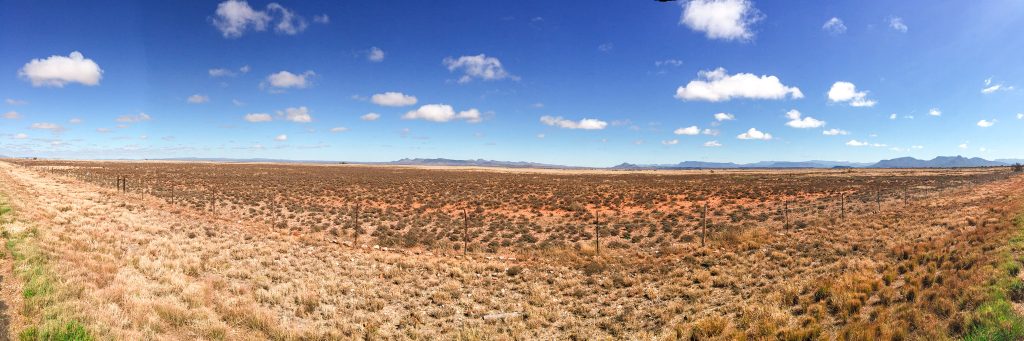
To kick off Earth Month 2026, we’re taking you on the journey our yarn takes across South Africa, from a farm in the Karoo to a skein in our shop.
As knitters and crafters, we know the making process better than most. We know the countless hours that go into making a sweater or scarf from a few skeins of yarn – not to mention all the time spent deliberating over the perfect colour and fibre.
We also know that it’s worth it. A thoughtfully handmade garment can last generations. It will be carefully hand washed, mended when needed, and treasured the way it deserves to be.
At a time when fast fashion dominates, we’re using Earth Month to reflect on the power of taking things slow.
It starts with a goat
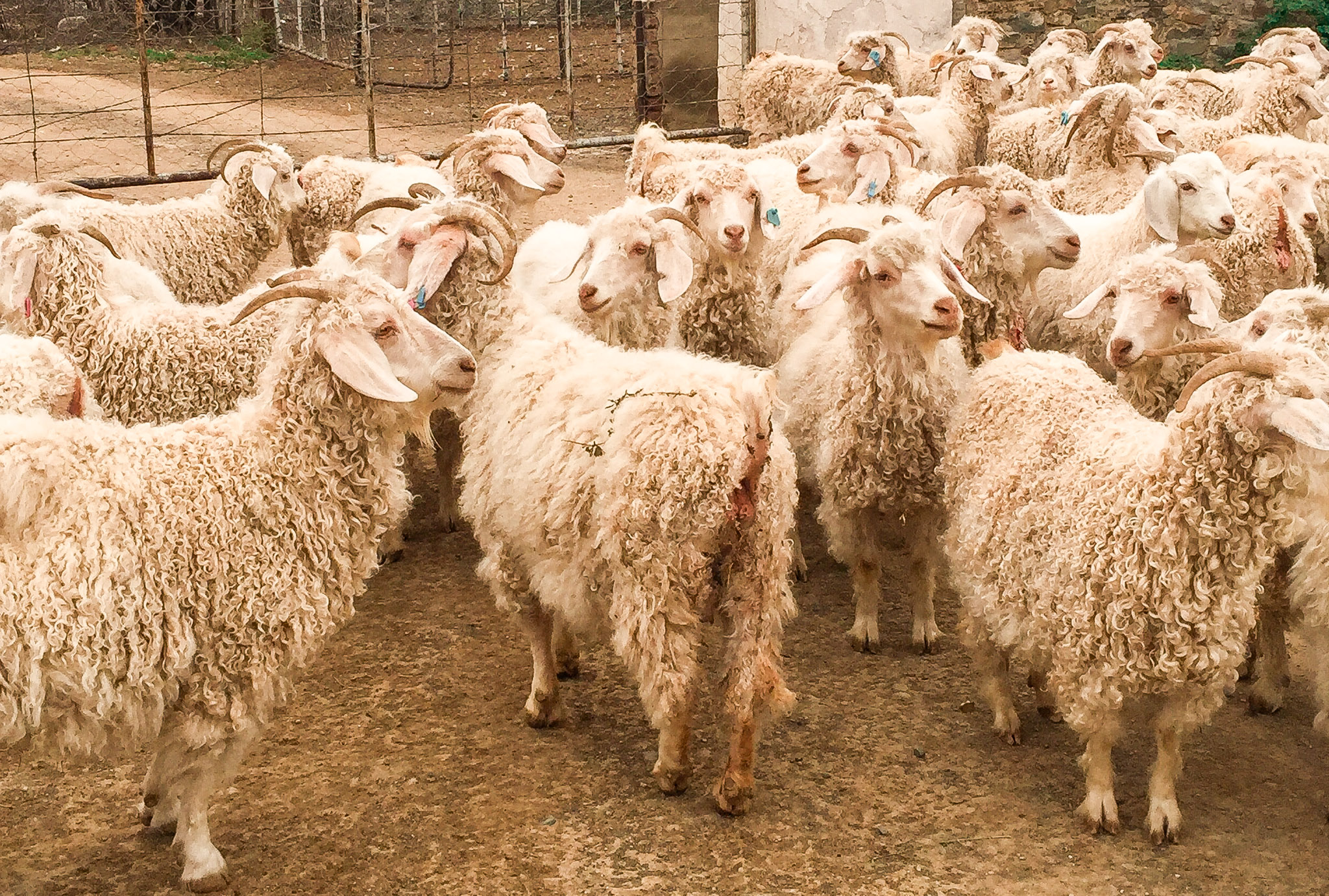
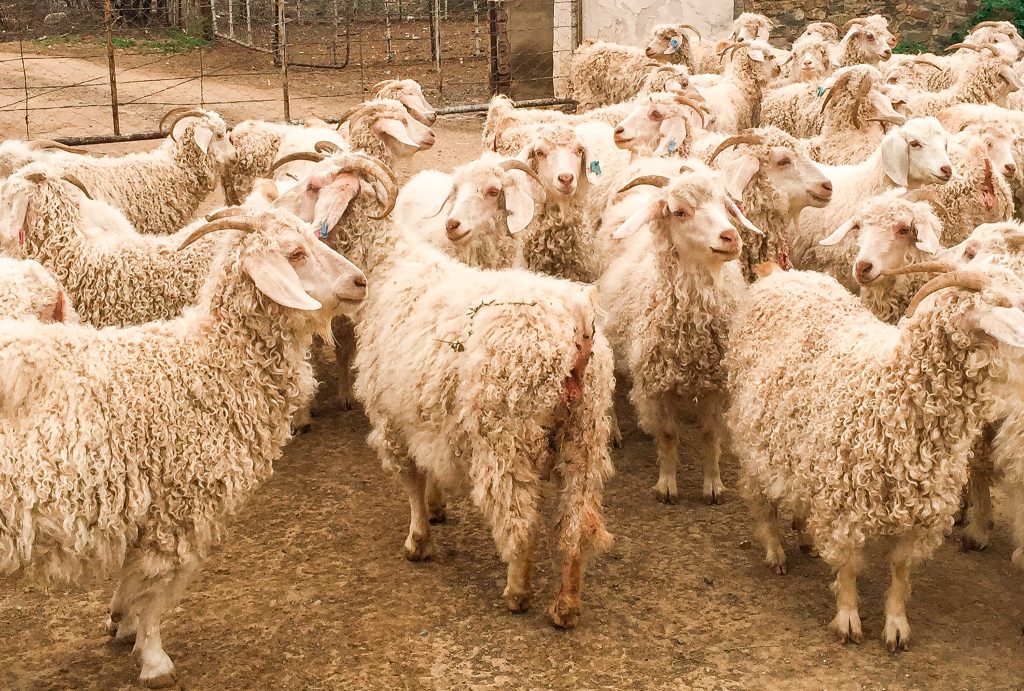
Few South Africans know this, but we live in the heart of global mohair production. South Africa produces more than half of the world’s mohair – a luxurious, biodegradable fibre known for its lustre and the fuzzy halo it creates.
Mohair comes from Angora goats – adorable animals with gorgeous shimmery ringlets that anyone would be proud of.
And a merino sheep
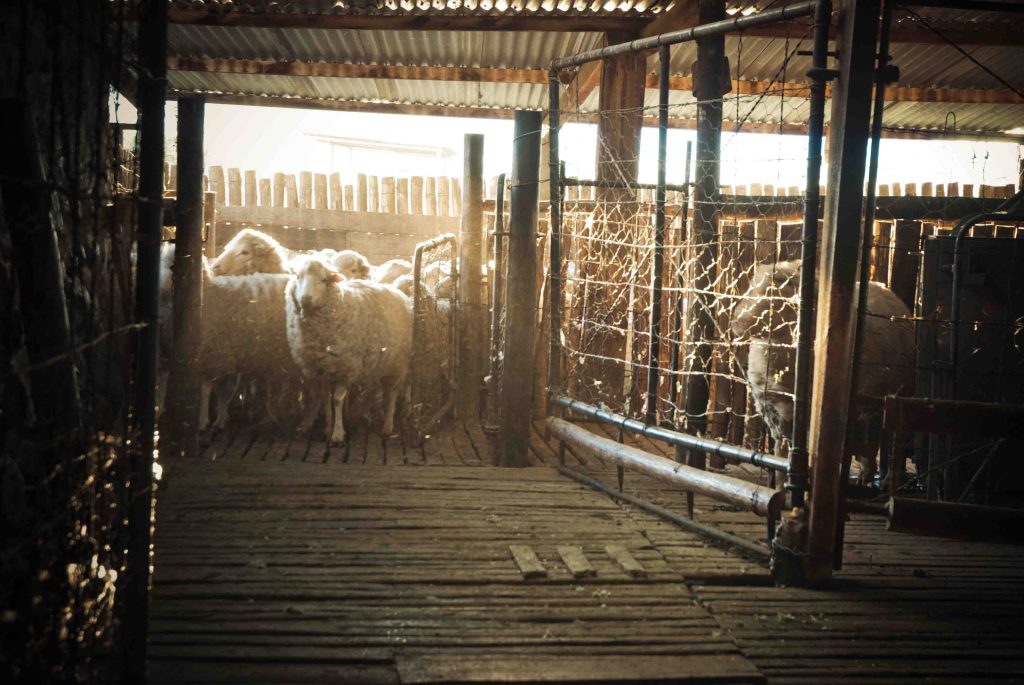
While we aren’t the world’s biggest merino wool producers, we’ve made our mark with sustainability. South Africa’s merino wool is all mulesing-free (meaning it’s kinder to animals) and we produce more Responsible Wool Standard certified merino wool than anywhere else in the world. Impressive, right?
Beyond the farm
Once these goats and sheep have been sheared and clipped respectively, the quality is assessed. Quality is based on fibre diameter and fibre length. Thinner fibres are softer on the skin, and longer fibres are more durable and pill less.
If sheep or goats experience stress, their fibres become thin and snap. This means farmers do everything they can to make sure their animals live happy, stress-free lives. Better for the famers, better for the knitters, and better for the animals.
After grading (the quality assessment process), these fibres begin their farm-to-skein journey of cleaning, combing and spinning into yarn at mills in the Eastern Cape. The yarns we use at Cowgirlblues are all certified with the international Responsible Mohair (RMS) and Responsible Wool Standards (RWS) – ensuring sustainable land stewardship and animal welfare.
Arriving at Cowgirlblues
The yarn arrives at our Cape Town studio as cone-shaped blank canvases. From there, Tshwanelo and Azola wind it into skeins using our second-hand, reconditioned but still working, mechanical winder.
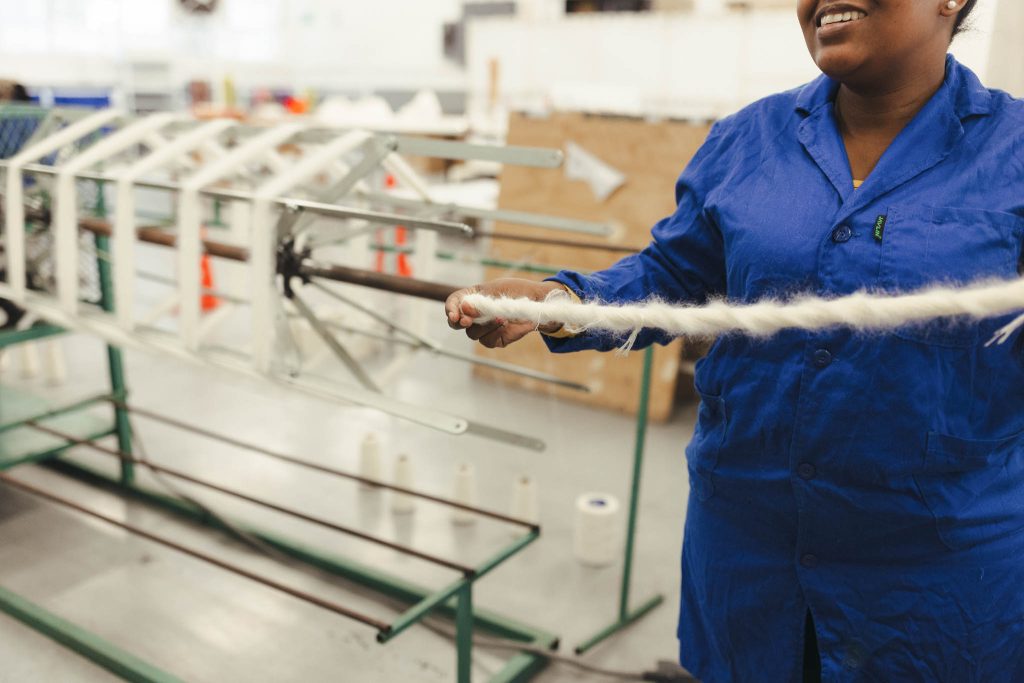
Noluvo and Phumeza hand dye everything using azo-free dyes, harvested rainwater, and recipes we’ve developed over the past 13 years.
We hang up the skeins to dry in Cape Town’s plentiful sun and wind – if that isn’t solar and wind power at work I don’t know what is!
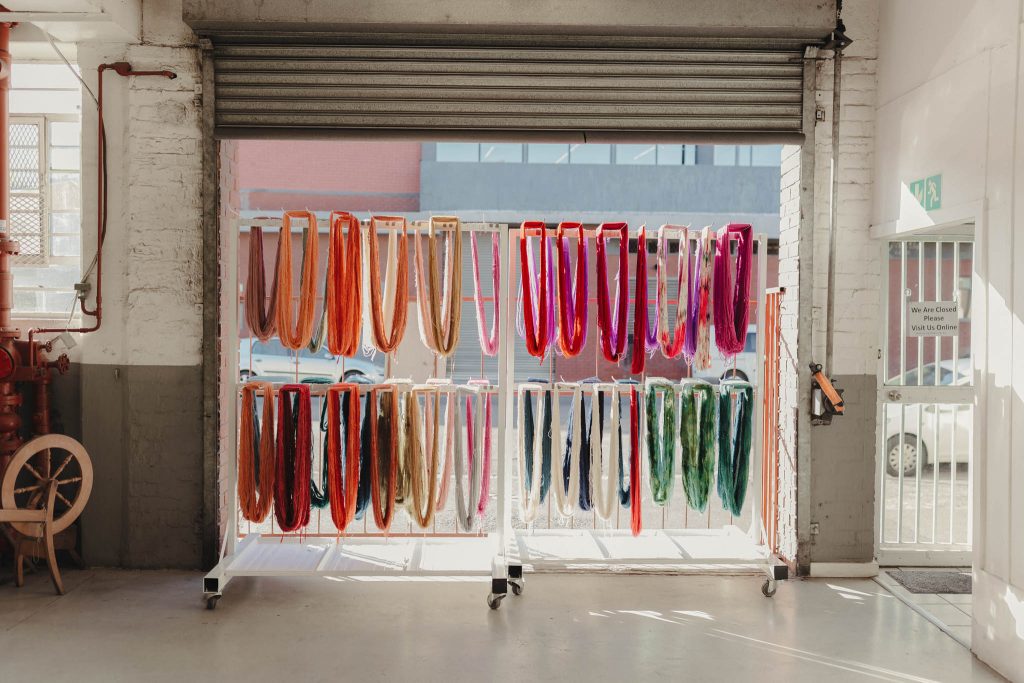
Once dry, Cynthia, Azola and Zee wind the skeins into balls by hand, or twist them ready for labelling. Kelly does the finishing touches with labels and packing. And the leftover-but-still-beautiful little bits and pieces are saved for Zimasa to stitch together to make our colourful scrappy fabric.
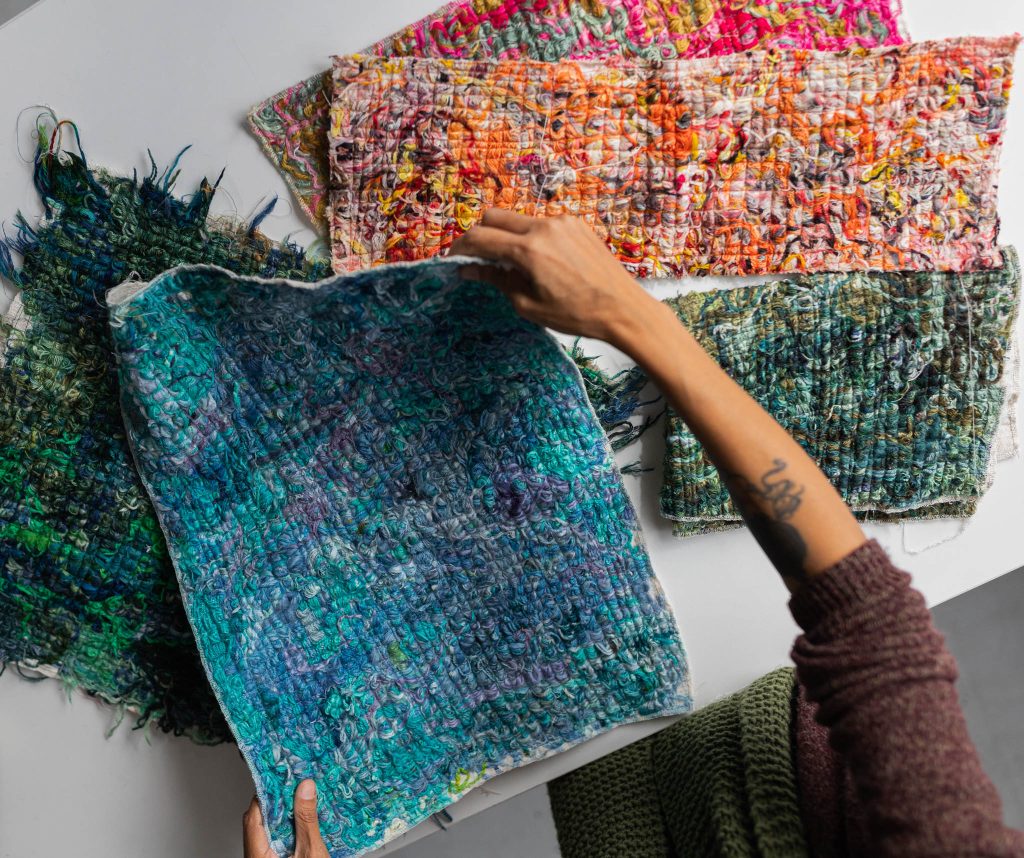
Makai oversees the production process with quiet confidence.
And once the yarn is ready, it still passes through Jenna, Syd, and Mo’s hands for picking, packing and dispatching before it reaches yours.
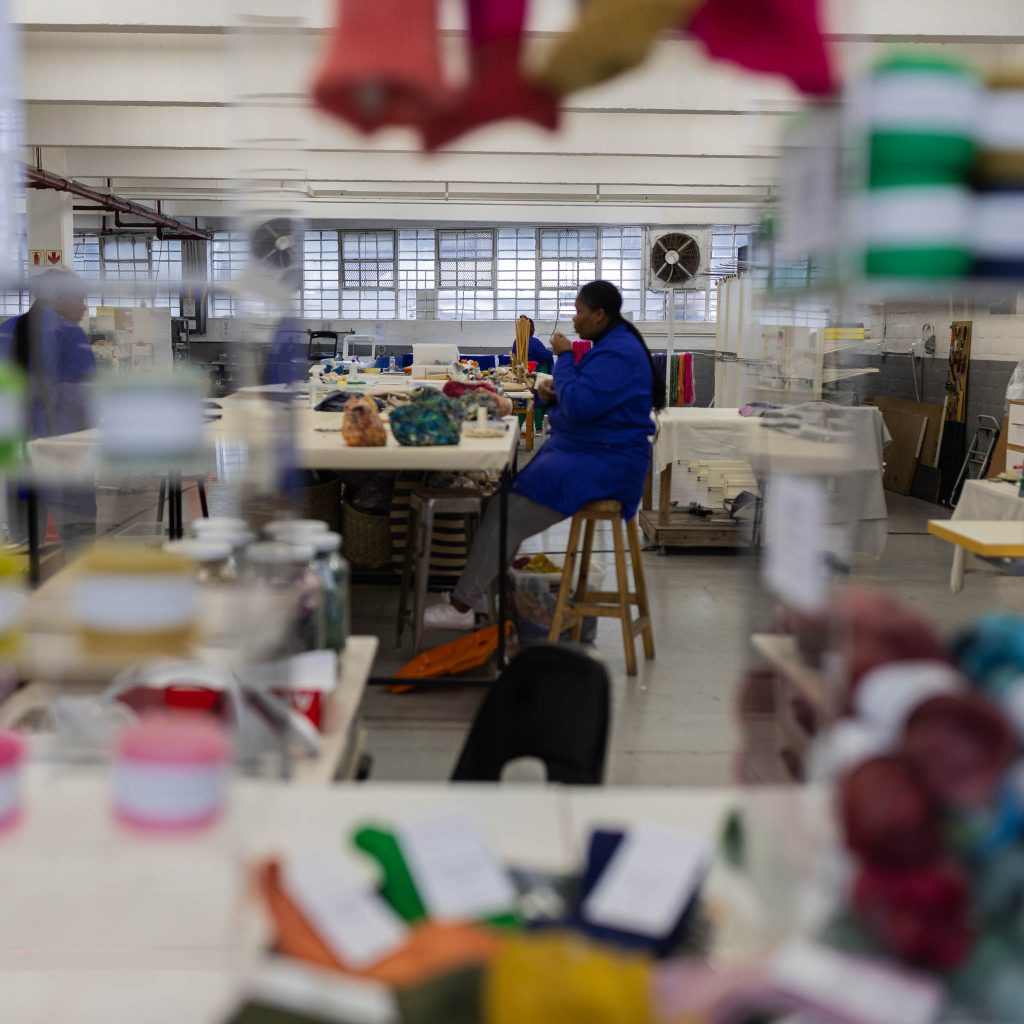
Why we take things slow
So why do we go to all this effort of doing everything we can by hand, taking the longer, less travelled road, and emphasizing transparency throughout the whole farm to skein journey?
Firstly, it makes the process more intentional. When everything is done by hand, we are much more aware of the resources we’re using and the waste we’re creating. This allows us to identify where we’re creating unnecessary waste and take steps to reduce it.
Secondly, it allows us to support a growing team of 16 women. Would winding skeins into balls using an industrial machine be quicker? Definitely. But machines are expensive, and creating employment opportunities for women is a key part of what drives us as a business.
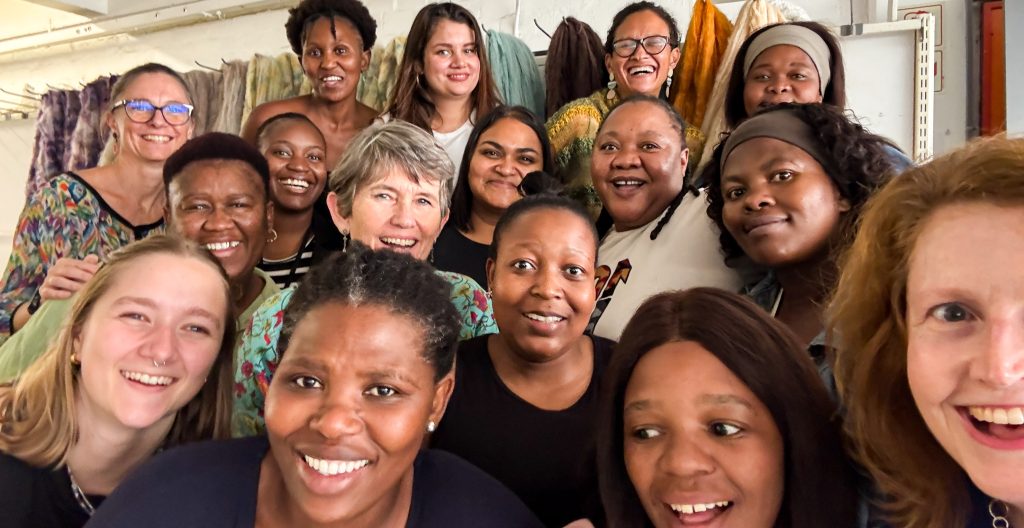
From farm to skein to your hands
When you choose Cowgirlblues yarn, you’re choosing intentional making over fast fashion. You’re supporting South African farmers who prioritise animal welfare and sustain economies in rural areas. You’re choosing biodegradable fibres that are thermoregulating and odour resistant. You’re supporting a team of women in Cape Town who hand dye and prepare each skein with care.
You’re making something that will last.
Something that passed through dozens of hands before it reaches yours.
Something that will be loved for years to come.
Just in case you don’t believe us:
Here’s an interesting read about the biodegradability of natural fibres from The Woolmark Company